Dead Branch Removal in Reno, NV
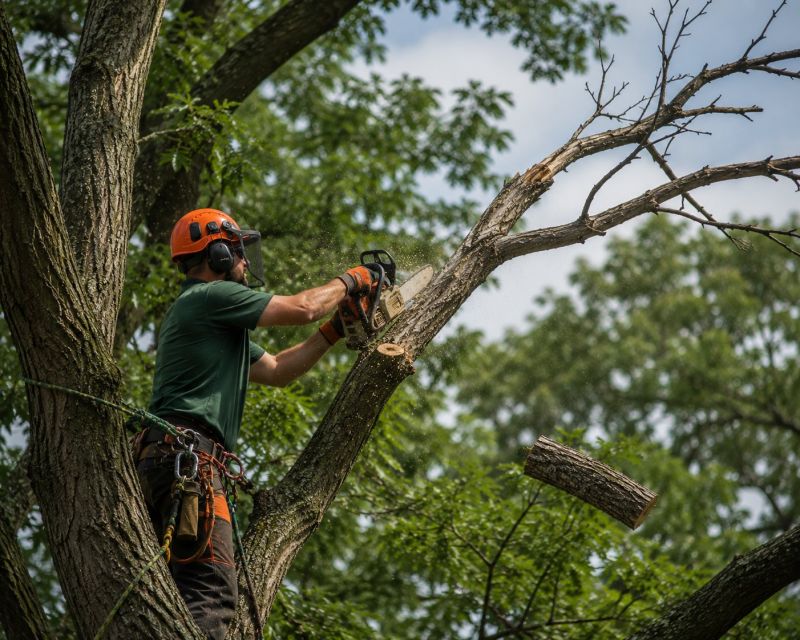
Dead branch removal services involve the safe and efficient removal of dead or dying branches from trees on residential properties. This process helps maintain the health and appearance of trees, reduces the risk of falling limbs, and prevents potential damage to structures, vehicles, or people. Projects may include trimming dead branches from mature trees, addressing storm-damaged limbs, or clearing overgrown areas to improve safety and aesthetics around the home.
Property owners typically want to understand which branches are considered hazardous or unsightly and how the removal process will be carried out to minimize impact on the tree’s overall health. It’s also common to inquire about the scope of work, such as whether only specific branches will be removed or if a more extensive pruning is recommended. Clarifying these details can help ensure the work aligns with safety standards and personal preferences before requesting dead branch removal services.
Many property owners in Reno, NV look into Dead Branch Removal for repairs, replacements, upgrades, and appearance-related improvements.
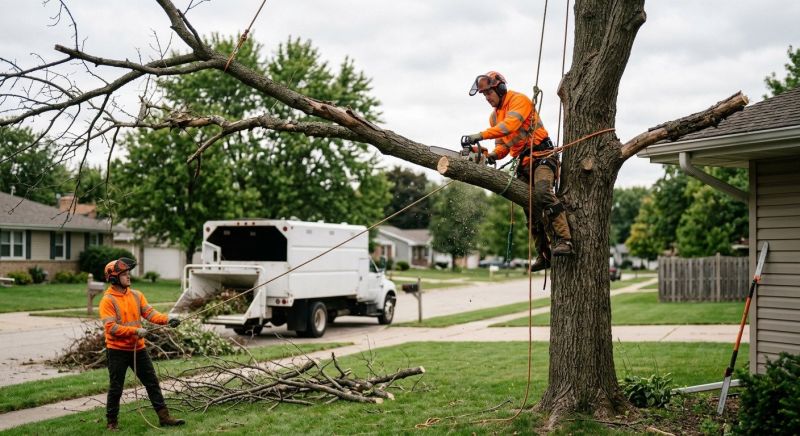
Safety And Property Protection
Removing dead branches reduces the risk of falling and property damage during storms.
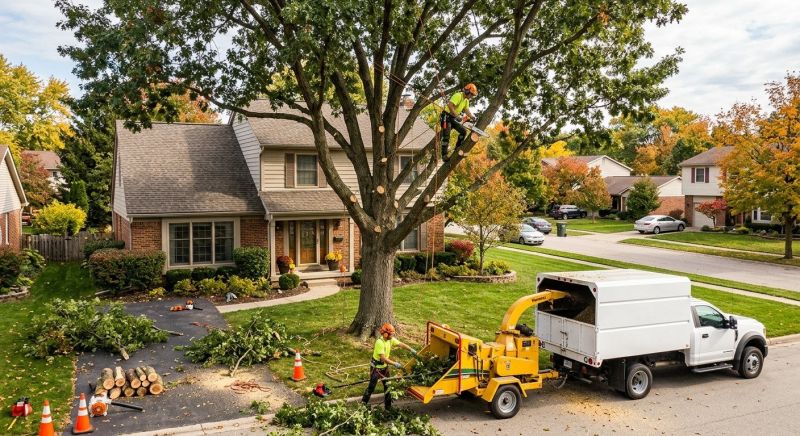
Tree Health And Maintenance
Pruning dead branches helps maintain the overall health and appearance of trees in reno neighborhoods.
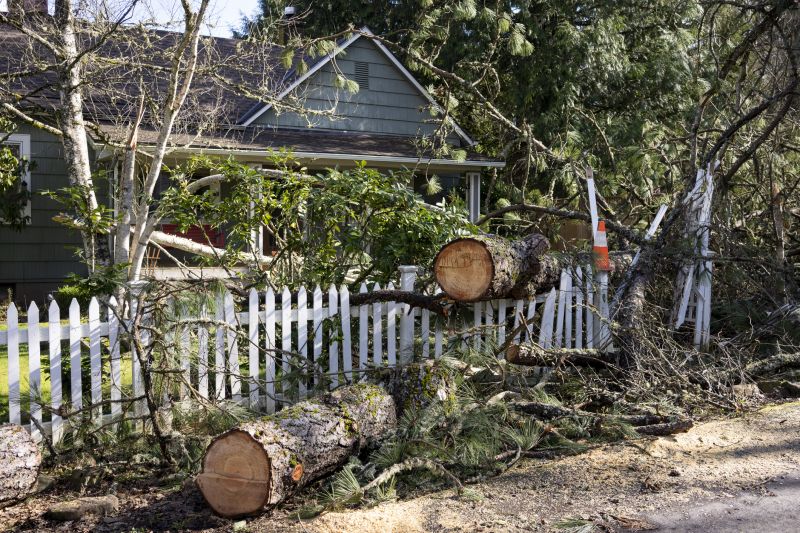
Aesthetic Improvement
Clearing dead branches enhances the visual appeal of yards and landscape features.
Dead Branch Removal in Reno, NV
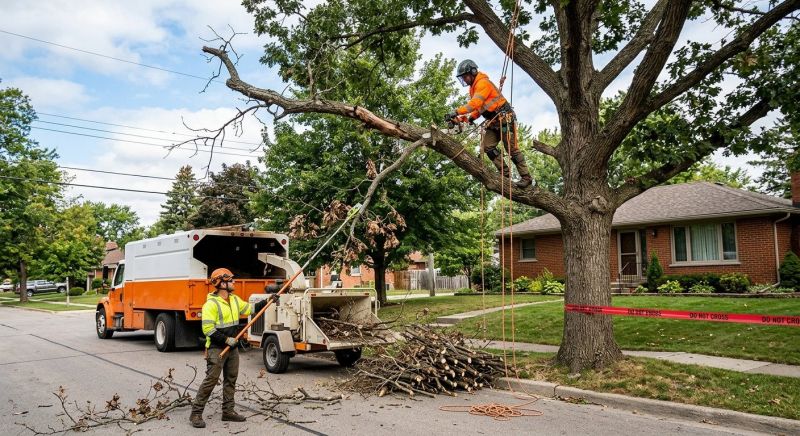
Dead branch removal services involve the safe and efficient removal of dead or dying branches from trees on residential properties. This process helps maintain the health and appearance of trees, reduces the risk of falling limbs, and prevents potential damage to structures, vehicles, or people. Projects may include trimming dead branches from mature trees, addressing storm-damaged limbs, or clearing overgrown areas to improve safety and aesthetics around the home.
Property owners typically want to understand which branches are considered hazardous or unsightly and how the removal process will be carried out to minimize impact on the tree’s overall health. It’s also common to inquire about the scope of work, such as whether only specific branches will be removed or if a more extensive pruning is recommended. Clarifying these details can help ensure the work aligns with safety standards and personal preferences before requesting dead branch removal services.
Many property owners in Reno, NV look into Dead Branch Removal for repairs, replacements, upgrades, and appearance-related improvements.
Common Dead Branch Removal Jobs
Dead Tree Removal - eliminates hazardous trees that pose a risk to property and safety.
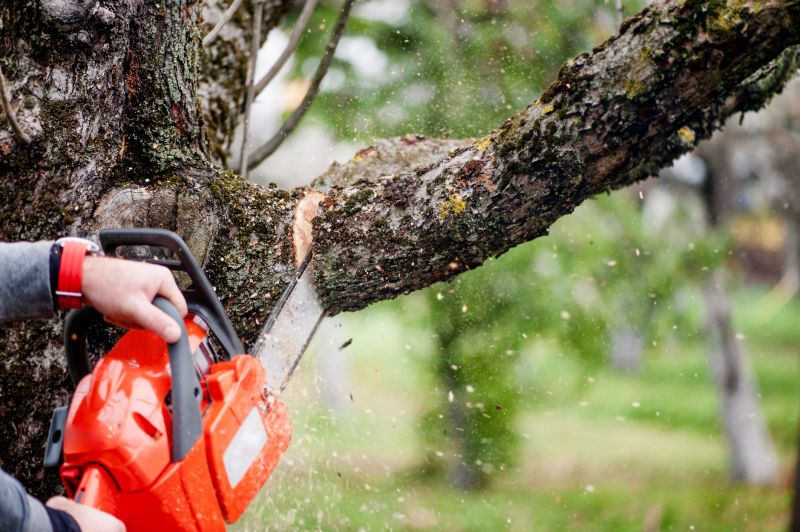
Storm-Damaged Branch Removal - clears broken or fallen branches after storms to prevent further damage.
Overgrown Branch Trimming - reduces excessive growth to improve tree health and prevent obstruction.
Emergency Branch Removal - addresses urgent situations involving unstable or falling branches.
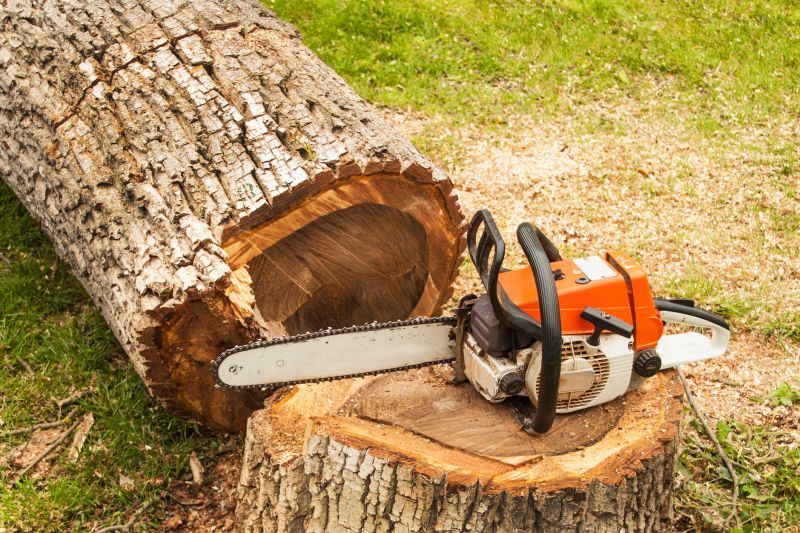
Uprooting and Stump Removal - removes dead trees completely, including the stump, for safety and aesthetics.
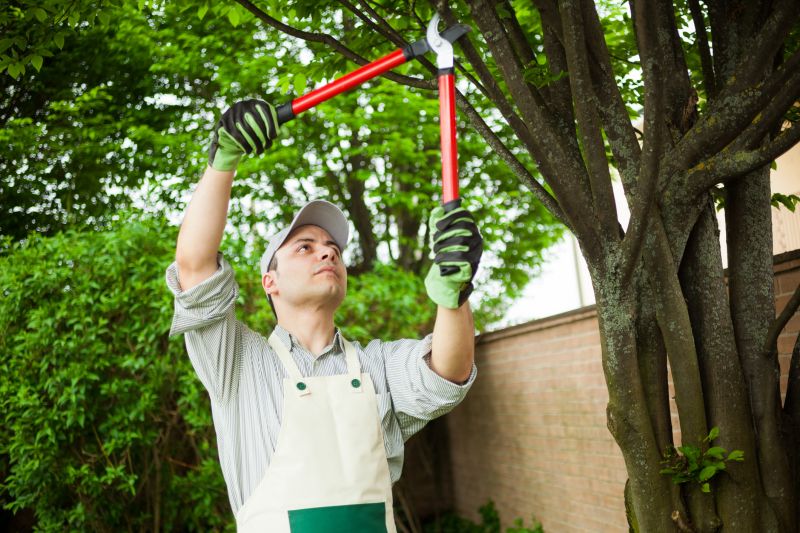
Selective Dead Branch Pruning - removes dead or diseased branches to promote healthy tree growth.
Dead Branch Removal Questions
Why should dead branches be removed? Removing dead branches helps prevent potential damage to the tree and nearby property, reducing the risk of falling limbs during storms.
What types of trees benefit from dead branch removal? Most deciduous and evergreen trees can benefit, especially those with visible dead or broken branches that pose safety concerns.
Is dead branch removal necessary for healthy trees? Yes, removing dead branches supports overall tree health by preventing decay and disease from spreading.
When is the best time to remove dead branches? Dead branches can be removed anytime during the year, but it is often done in late winter or early spring before new growth begins.
Request Dead Branch Removal in Reno, NV
Use the quote form on this page to share the basics of your project and request more information for the type of work you need.